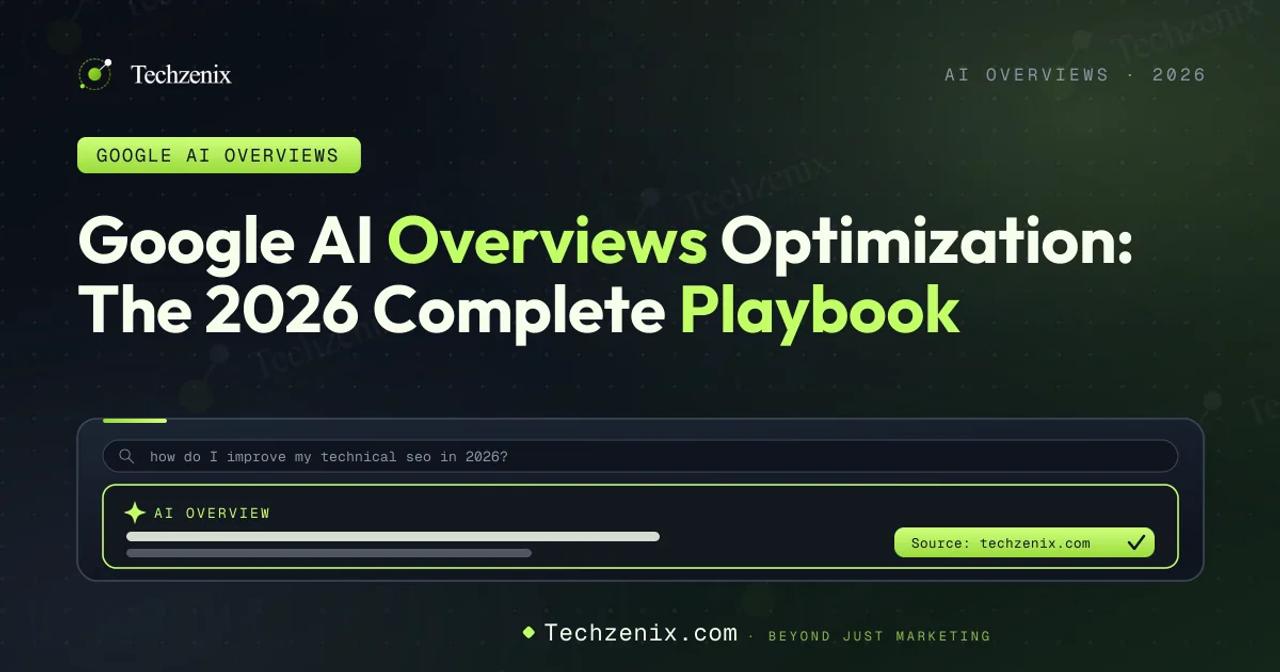
Google AI Overviews now appear on the majority of informational queries. When they show up, they sit above the traditional blue links and change the game for organic traffic. Pages selected as sources get visibility, while pages ranked below the overview may receive fewer clicks than before.
Getting your content into AI Overviews requires a specific approach that goes beyond traditional SEO. This guide covers exactly how Google picks source pages, what content patterns get selected, the EEAT signals that matter most, and a practical 30-day plan to earn AI Overview inclusion.
Why Google AI Overviews Matter in 2026
Google rolled out AI Overviews to US search results in May 2024 and expanded globally through 2025. By August 2026, the majority of "how to" and "what is" queries trigger an AI Overview. This is not a small feature. It is a fundamental change to how Google Search works for informational queries.
What changes for SEO teams:
Pages cited inside an AI Overview get prominent visibility above traditional blue links
Pages that rank on page 1 but do not get cited see click through rates drop, sometimes significantly
Some informational queries now generate zero clicks to any organic result because the answer is fully contained in the AI Overview
Commercial and transactional queries still drive clicks but even those often show an AI Overview above them
The teams that adapt fastest keep visibility. The teams that wait for Google to reverse this decision (it will not) lose share of consideration to competitors who did the work.
Google AI Overviews optimization fits inside the broader Generative Engine Optimization discipline. For the full framework across all AI engines, see our generative engine optimization guide. This post focuses specifically on Google AI Overviews.
How Google AI Overviews Actually Work
Understanding the mechanism is the difference between guessing and executing. Most guides skip this section because Google's own documentation is deliberately vague. Here is what actually happens based on public documentation and observed behavior.
Step One: Query Analysis
When a user submits a query, Google's system decides whether an AI Overview should show. Not every query triggers one. Queries that trigger overviews tend to have these characteristics: informational intent, complexity that benefits from synthesis, multiple valid answers, and enough authoritative sources available.
Queries that typically do not trigger overviews: navigational queries (someone searching for a specific brand), highly transactional queries in some categories, sensitive topics (medical treatment specifics, legal advice, political controversies), and very recent news events.
Step Two: Candidate Pool Selection
Google's AI Overview draws from the top ranking organic results for the query. The candidate pool is essentially your top 10 organic. If you rank on page 2, you almost never get cited. This is the single biggest gate that determines whether you can even compete for an AI Overview slot.
Exception: highly authoritative sources (Wikipedia, government sites, major news publications, official documentation) sometimes get pulled even when they do not rank on page 1 for the specific query. For most brands, this exception does not apply.
Step Three: Content Extraction and Synthesis
Google's Gemini model reads the top ranking pages and extracts relevant passages. It then synthesizes these into a coherent answer. Not every page in the top 10 gets cited. The model picks pages that answer the specific query directly, have clear structure, and include supportive evidence.
Step Four: Citation Display
The finished AI Overview shows the synthesized answer with source citations. Different queries generate different numbers of cited sources, typically between 3 and 8. The cited pages get a link and visibility above the traditional organic results.
The Ranking Requirement That Cannot Be Skipped
This is the single most important thing to understand. You cannot appear in Google AI Overviews without first ranking in the top 10 organic results for the target query. Traditional SEO is not replaced. It is required.
What this means for your strategy:
If You Rank Positions 1 to 5
You are in strong contention for AI Overview citations. Focus on the content optimization and structural factors covered later in this guide.
If You Rank Positions 6 to 10
You are in the candidate pool but cited less often than positions 1 to 5. Focus on both improving your organic ranking and optimizing for AI Overview extraction.
If You Rank Page 2 or Lower
You are essentially invisible to AI Overviews. Your first priority is ranking on page 1. Traditional SEO fundamentals (link authority, content quality, technical health) still matter. This is a foundation problem, not an AI Overview optimization problem.
If ranking is the blocker, start with our technical SEO guide and technical SEO audit checklist to identify what is holding back your rankings.
Content Patterns That Google AI Overviews Select
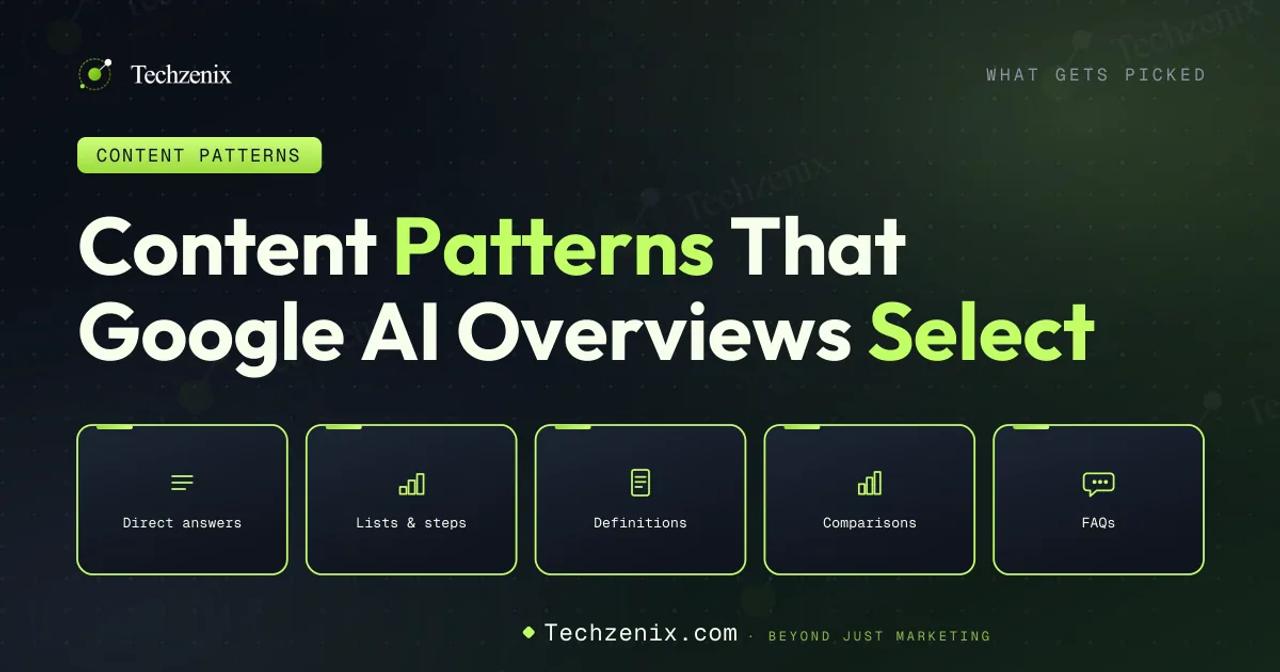
Ranking in the top 10 gets you into the pool. Getting selected requires specific content patterns. Here is what actually gets picked, based on tracking client citations across a range of niches.
Pattern One: Direct Answer in the First 100 Words
Google's model prefers pages that answer the query directly and early. If a reader (or the model) reads only your first paragraph, they should get the core answer. Setup paragraphs, background context, and long introductions hurt AI Overview inclusion odds.
Pattern Two: Clear H2 Section Structure
Every H2 should stand alone as a complete answer to a sub question. The Gemini model often extracts single sections rather than reading full pages. A page structured as clean discrete sections gets cited more than a page with meandering flowing prose.
Pattern Three: Definitional Sentences That Can Be Quoted
Sentences that clearly define concepts get extracted often. "Core Web Vitals are three metrics Google uses to measure page experience" gets pulled more than "There are several important factors Google looks at when evaluating pages, and among these you will find what are known as Core Web Vitals." Direct, quotable, factual.
Pattern Four: Specific Numbers and Data Points
Content with specific statistics, percentages, and citation ready data gets selected more often. Vague claims lose to specific numbers with sources.
Pattern Five: Well Structured Lists
Numbered lists and bulleted steps get extracted efficiently. The model often preserves list structure in the generated overview. Content with clear ordered steps gets more citations than flowing prose covering the same territory.
Pattern Six: Comparison Structure
For "X versus Y" and "best of" queries, comparison tables get preferred. The Gemini model handles tabular data cleanly and often reproduces comparison content in the AI Overview.
Structural Optimizations Every Page Needs
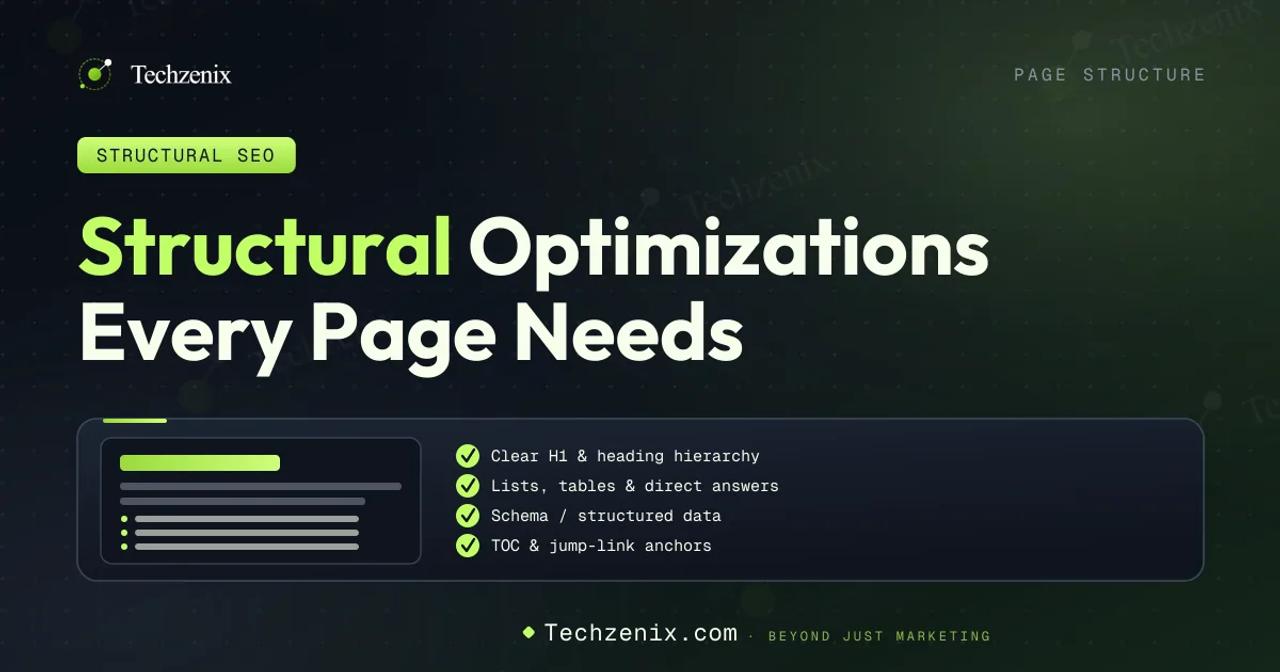
Beyond content patterns, specific structural elements make a page more likely to be selected. Apply these to every page you want cited.
Schema Markup That Matters
Schema types that measurably help AI Overview inclusion:
Article schema on all editorial content, with author, datePublished, and dateModified
FAQPage schema on any page with a FAQ section (very high yield)
HowTo schema on step by step guides
Organization schema on your homepage and about page
Person schema on author profile pages
Product schema with review aggregates on product pages
BreadcrumbList schema across your site for navigation clarity
Chunk Optimized Content
AI models process content in chunks. Every important section should be self contained enough that a single chunk conveys the complete point. Test: if the model extracted only the H2 you are looking at and its first two paragraphs, would that chunk answer a specific question?
Table of Contents
A table of contents with anchor links at the top of long form pages helps the model understand structure and identify sections to extract. Include one on any post over 1,500 words.
Featured Snippet Optimization
Content that wins featured snippets often wins AI Overview citations too. The optimization overlaps: direct answers, structured lists, clear definitions, question format H2s. If you optimize for featured snippets, you also help AI Overview inclusion.
EEAT Signals Weight More Than Ever
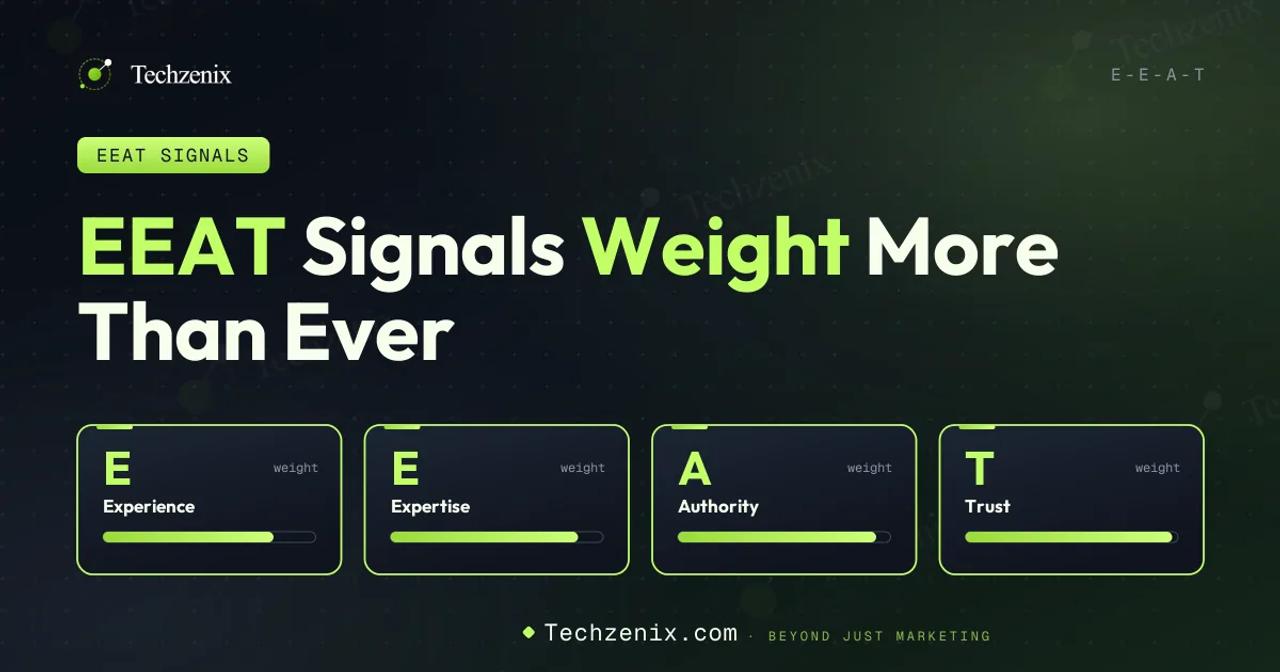
Experience, Expertise, Authoritativeness, and Trustworthiness (EEAT) has always mattered for Google. For AI Overviews, it matters even more because the model needs to trust its sources.
Author Attribution Is Required
- Anonymous content or generic bylines ("the marketing team") get cited less. Every important page needs a named author with:
- Real name and credentials visible on the page
- Linked author bio page with expertise and publication history
- Person schema on the author bio page
- LinkedIn profile link for verification
First Party Experience Signals
Google's EEAT guidance now includes "Experience" as the first E. Content that demonstrates first hand experience gets weighted higher than content that summarizes other people's experience.
Practical: include specific examples from your own work, describe what you actually did, share numbers from your own experience. Generic "here is what experts recommend" content loses to "in our work with clients we have seen X" content.
Cited Sources for Every Claim
Every substantive claim in your content should link to a supporting source, ideally a primary source. Google's model prefers pages that themselves cite well. "Studies show" hurts you. "According to a 2026 Bain study" helps.
Publication and Modified Dates
Both dates visible on the page and in schema. Freshness signals influence which pages get selected, especially for time sensitive topics.
Query Types Where AI Overviews Show Most Often
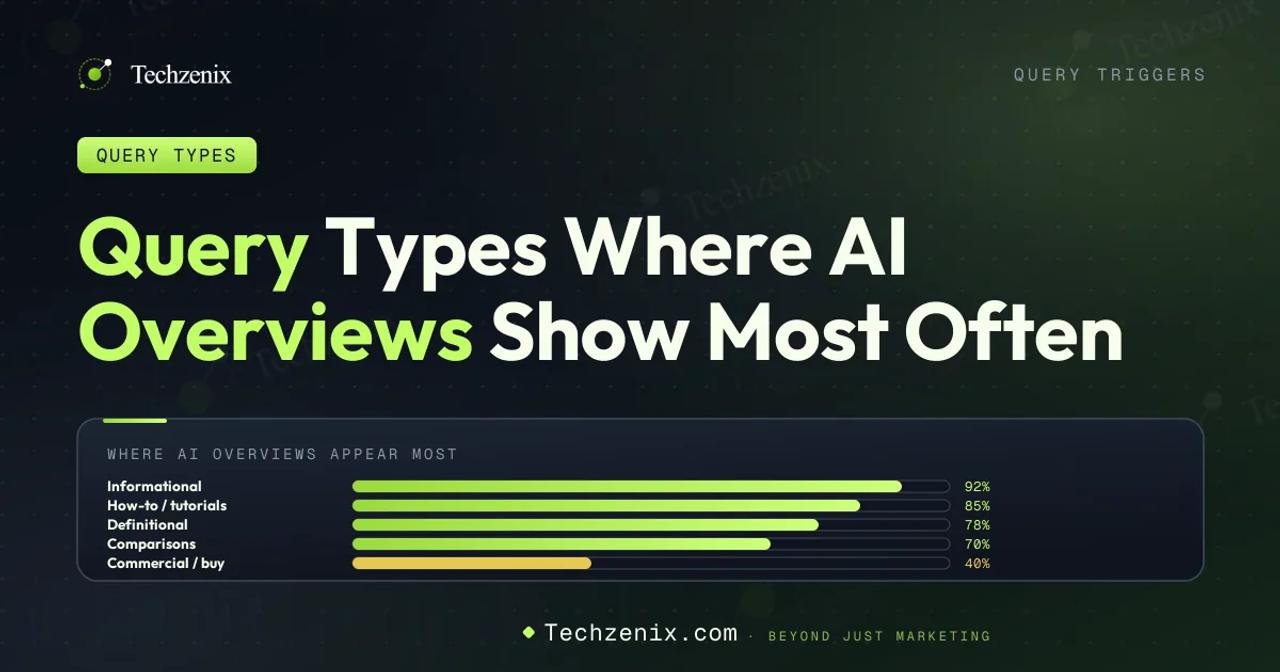
Not every query triggers an AI Overview. Understanding which queries do helps you prioritize optimization work.
High Trigger Query Types
- What is X (definitional queries)
- How to X (procedural queries)
- How does X work (mechanism queries)
- Why X (explanation queries)
- X vs Y (comparison queries)
- Best X for Y (recommendation queries with context)
- Complex multi part questions
Low Trigger Query Types
- Brand queries (someone searching for a specific company)
- Simple transactional queries ("buy X now")
- Navigational queries ("login to X")
- Highly local queries in some verticals
- Sensitive medical, legal, or political specifics
How to Identify Your AI Overview Opportunities
Run your top 30 organic queries through Google Search manually (in incognito, without any prior personalization). Note which queries trigger AI Overviews and which do not. This gives you a prioritized list: queries where AI Overviews show and you rank in the top 10 are your highest priority optimization targets.
How to Measure AI Overview Presence
Google Search Console does not directly report AI Overview citations. Measurement needs a separate approach.
Manual Tracking (Best Starting Point)
Build a spreadsheet with your top 20 informational queries. Weekly, run each in incognito Google Search and log whether an AI Overview shows and whether your brand is cited. This gives you the ground truth that no tool matches for accuracy.
Automated Tools for AI Overview Tracking
The category is maturing. Several tools now track AI Overview presence and citations.
| Tool | What It Tracks | Best For |
|---|---|---|
| Ahrefs Brand Radar | AI Overview citation tracking with brand mentions | Teams already on Ahrefs |
| Semrush Position Tracking | AI Overview presence in tracked keywords | Teams already on Semrush |
| Otterly.AI | Multi-engine AI citation tracking including Google | Full-spectrum AI search monitoring |
| Peec AI | Citation share of voice in AI Overviews | Competitive benchmarking |
| SE Ranking AI Insights | AI Overview tracking with position monitoring | Mid-market rank tracking teams |
Recommendation: manual track your top 20 queries weekly to build a baseline. Once you have 4 to 6 weeks of data, layer in an automated tool if the scale justifies the spend.
The Zero Click Problem and What to Do About It
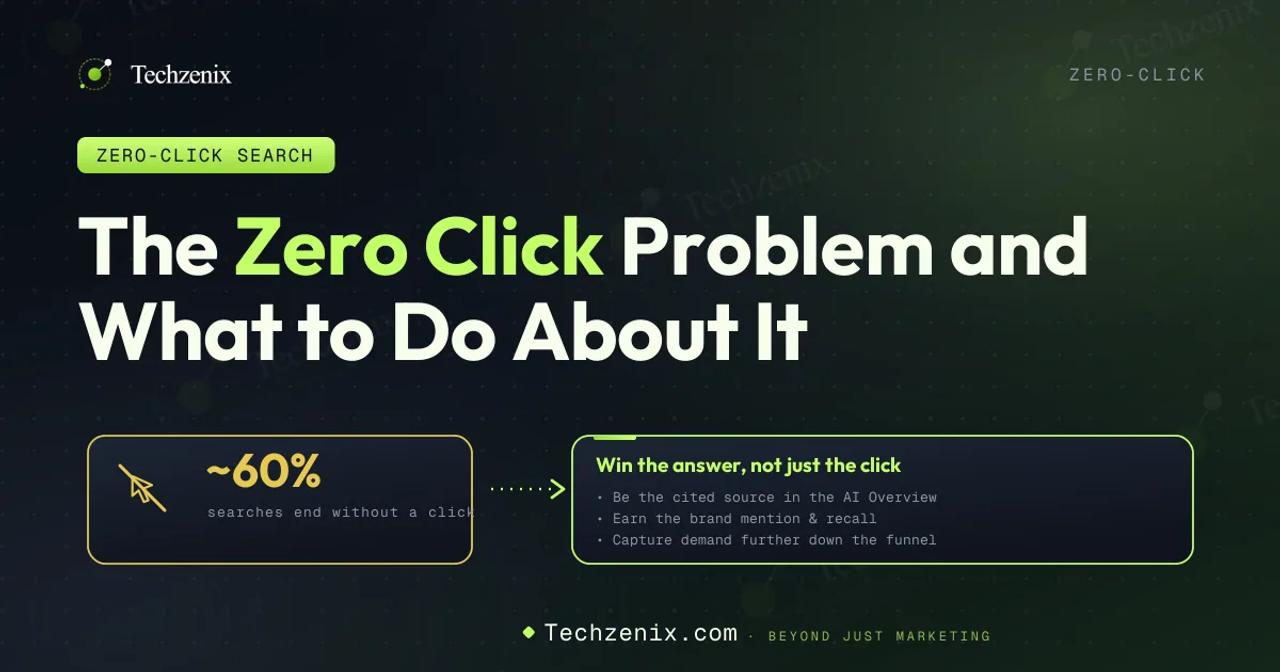
Here is the uncomfortable truth. Even when you get cited in an AI Overview, you may get fewer clicks than you did before AI Overviews existed. The user can read the answer in the overview and never click through.
This is a real business challenge, not a hypothetical. Some sites have reported organic click through rate declines of 30 percent or more on queries where AI Overviews now dominate. The solution is not to fight the shift. The solution is to redefine what SEO success looks like.
Metric Shift: From Clicks to Mention Share
For informational queries dominated by AI Overviews, click through rate matters less. What matters more is whether your brand is mentioned in the AI Overview. A cited brand builds recall even without a click. Measure share of AI Overview mentions across your target queries.
Content Strategy Shift: Bottom Of Funnel Focus
Shift more content investment toward middle and bottom of funnel queries where users still click through to make decisions. These queries typically trigger fewer AI Overviews, and the clicks that do happen convert better.
Building Direct Traffic Channels
AI Overviews compress the pipeline for informational research. Building email lists, communities, and direct traffic channels compensates. Brand affinity and direct traffic are harder for AI Overviews to intermediate.
Six Mistakes That Kill AI Overview Inclusion
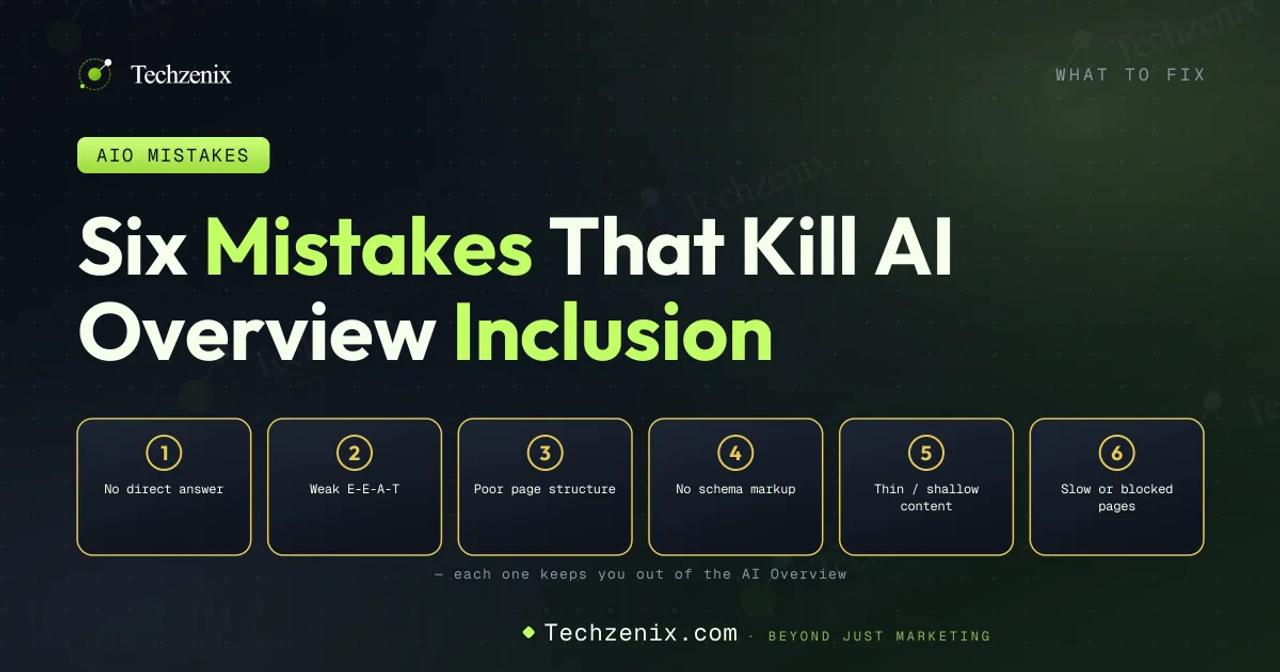
Mistake One: Optimizing Without Ranking First
Every AI Overview optimization tactic assumes you already rank in the top 10 organic. Trying to optimize for AI Overview inclusion on queries where you rank on page 3 is wasted effort. Rank first, then optimize for extraction.
Mistake Two: Padding the Intro
Long meandering opening paragraphs signal to Google that the answer is buried. Cut everything before the direct answer. Every page you want cited should answer the query in the first paragraph.
Mistake Three: Skipping Schema
Schema markup is not optional for AI Overview optimization. Article, FAQPage, and Organization schema are baseline. Skip them and you handicap yourself.
Mistake Four: Anonymous Content
Content with no author attribution or generic bylines ("the team") gets cited less. Every important page needs a named expert byline with credentials.
Mistake Five: Fighting the Zero Click Reality
Some teams try to hide answers to force clicks. This backfires. Google's model detects and deprioritizes pages that seem designed to withhold answers. Give the direct answer, then expand. The click through will happen for users who need more depth.
Mistake Six: Only Measuring Clicks
Traditional SEO metrics (clicks, sessions, conversions) miss the AI Overview citation dimension. Add mention share tracking. A cited brand builds recall even without a click, and that recall pays off in direct search later.
Your 30 Day AI Overview Optimization Plan
A practical starter plan for teams new to AI Overview optimization. Adjust to your resources.
Week 1: Audit and Baseline
- List your 30 most important informational queries
- Check your current organic ranking for each
- Run each in incognito Google to see which trigger AI Overviews
- Log whether your brand is currently cited
- Identify your top 10 highest priority targets (queries where AI Overview shows AND you rank top 10)
Week 2: Structural Foundation
- Add or fix Article schema on your top 20 pages
- Add FAQPage schema to any page with a FAQ section
- Update Organization and Person schema across the site
- Verify BreadcrumbList schema is implemented site wide
- Add or update visible publication and modified dates
Week 3: Content Rework
- Rewrite the first paragraph of your top 10 target pages as direct answers
- Restructure H2 sections so each stands alone as an answer
- Add FAQ sections to pages that lack them
- Update author bylines with credentials and LinkedIn links
- Add comparison tables where content benefits from them
Week 4: Measure and Iterate
- Rerun your baseline query check and compare against Week 1
- Log which changes moved AI Overview inclusion and which did not
- Set up ongoing weekly tracking for your top 20 queries
- Plan the next 30 days based on what worked
Where to Go From Here
Google AI Overviews are the biggest change to search results since the introduction of featured snippets. They are not going away. The teams that adapt fastest hold advantage that compounds over time. The teams that wait lose share of visibility to competitors who did the work.
If your team has capacity, follow the 30 day plan above. If your team is at capacity or you want to move faster, this is exactly what our practice handles day to day.
Ready to earn AI Overview inclusion?
Techzenix runs full AI search optimization engagements for brands ready to show up in Google AI Overviews, ChatGPT, Perplexity, and Claude. We handle everything from structural setup to citation tracking. Learn more about our generative engine optimization services or request a proposal .
Frequently asked questions
What are Google AI Overviews?+
AI Overviews are AI generated answer boxes that appear above traditional organic search results for many informational queries. They synthesize information from multiple ranking pages and cite the sources.
How do I get my content into Google AI Overviews?+
First, rank in the top 10 organic results for the query. Then optimize your content with direct answers, clear structure, schema markup, and strong author attribution. Ranking is required. Optimization is what wins selection within the ranking pool.
Do AI Overviews hurt organic traffic?+
For informational queries, yes. Click through rates can drop significantly because users read the answer in the overview without clicking. For commercial and transactional queries, the impact is smaller. Measure both cited mentions and clicks to understand your true visibility.
Which queries trigger AI Overviews?+
Informational queries most commonly trigger overviews. Definitional, procedural, and comparison queries are especially likely. Navigational, brand, and highly transactional queries trigger overviews less often.
Do I need to build separate content for AI Overviews?+
No. The same well structured content that ranks well typically performs well for AI Overview selection. The tactics overlap significantly with featured snippet optimization and general SEO best practices.
Can I block Google from using my content in AI Overviews+
Partially. You can add nosnippet or max snippet directives to limit how much of your content Google extracts. Blocking entirely usually means losing organic ranking too, which defeats the purpose.
Does EEAT affect AI Overview inclusion?+
Yes, significantly. Named author bylines, credentials, cited sources, and first party experience signals all influence which pages get selected. Anonymous content or thin bylines cost you citations.

Ali Hamza is an SEO specialist and digital marketer with 7+ years of experience in SEO, content strategy, WordPress, and online growth marketing. He shares practical insights and industry-based strategies focused on improving search visibility, user experience, and long-term organic growth.